lyflyt

Author name: ztl.nikhil

Blog

From Blueprint to Reality: Key Trends in Commercial Interior Fitouts

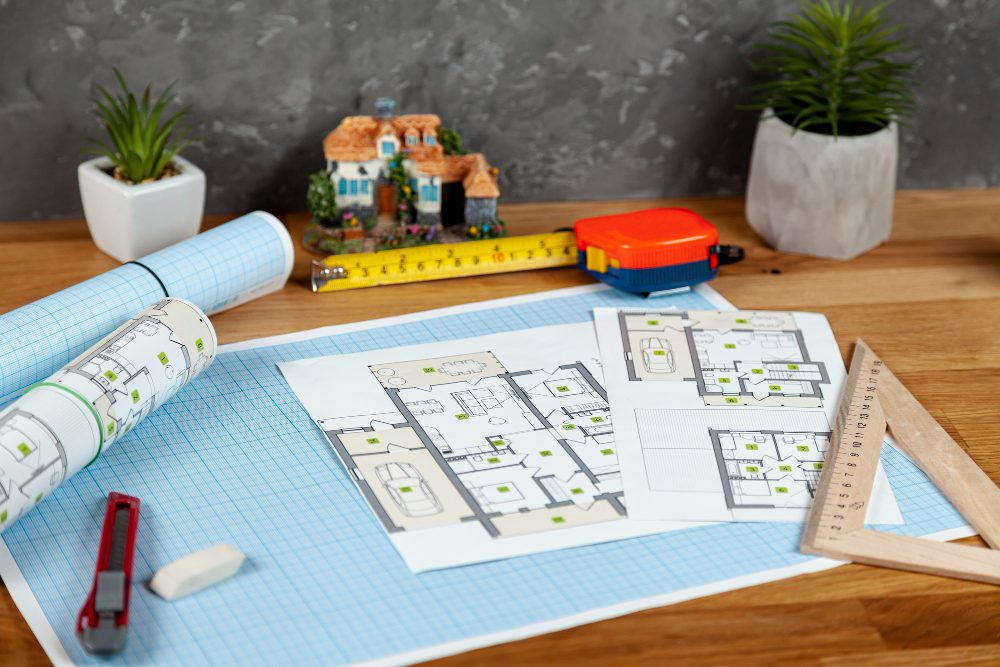
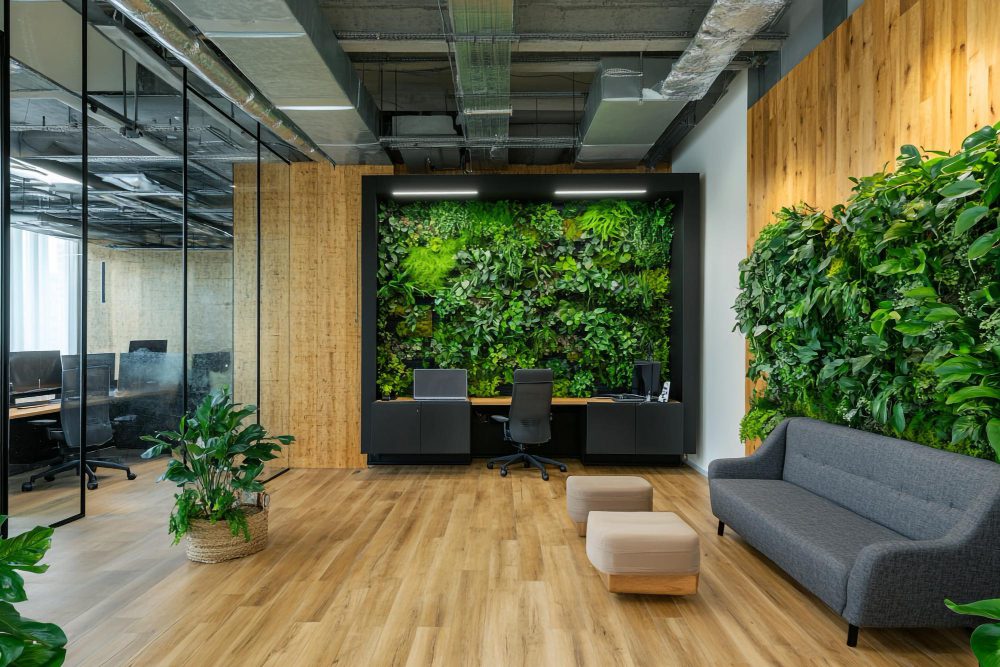
Commercial spaces are evolving fast, and interior fitouts are playing a big role in shaping how businesses look and feel. Whether it’s an office, retail store, or hospitality venue, smart design choices can boost productivity, brand identity, and customer experience. Here are some key trends making waves in the world of commercial interiors: 1. Sustainable Materials Eco-friendly choices like recycled wood, low-VOC paints, and energy-efficient lighting are becoming standard. Businesses want spaces that look good and feel responsible. 2. Smart Technology Integration From automated lighting to interactive displays, tech is being woven into the design. It’s not just about gadgets—it’s about creating seamless, efficient environments. 3. Flexible Layouts Modular furniture and open-plan designs allow spaces to adapt quickly. This is especially useful for growing teams or multi-purpose areas. 4. Brand-Centric Design Fitouts now reflect the brand’s personality. Colors, textures, and layouts are chosen to tell a story and leave a lasting impression. 5. Wellness-Focused Spaces Natural light, indoor plants, and quiet zones are being added to support employee well-being and reduce stress.
Blog

Eco Friendly Materials That Elevate Commercial Interiors

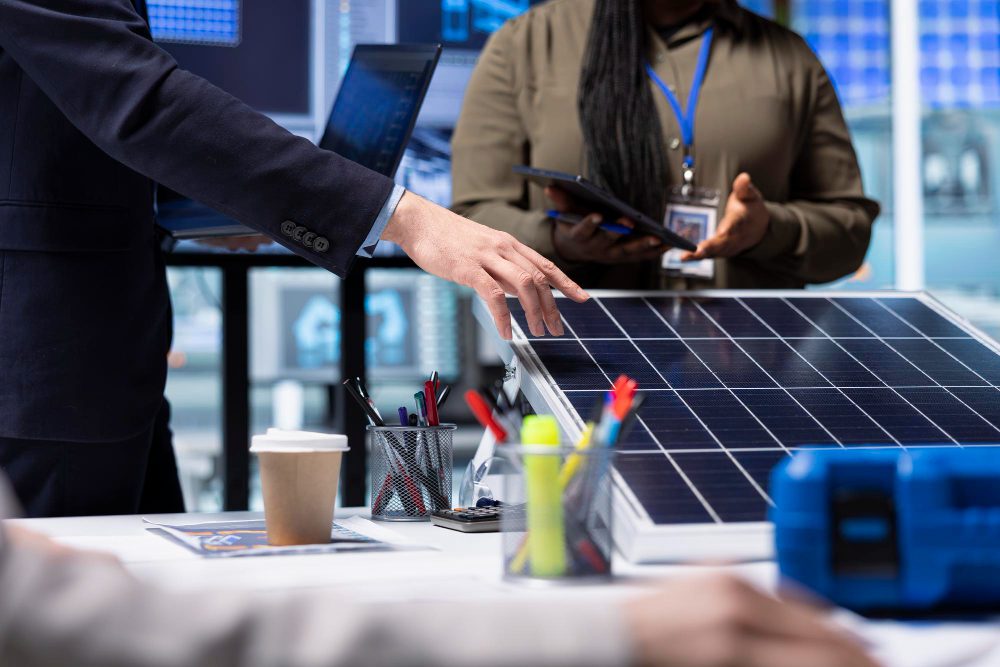
As energy costs rise and sustainability becomes a priority, more businesses are turning to solar power. Integrating solar solutions into commercial spaces isn’t just eco-friendly—it’s a smart financial move. Why Go Solar? Where Solar Fits In 🌍 The Bigger Picture Solar integration supports sustainability goals and helps future-proof your business. It’s not just about saving money—it’s about making a responsible choice that benefits both your company and the planet.

Blog

Supermarket Layouts That Influence Consumer Behavior

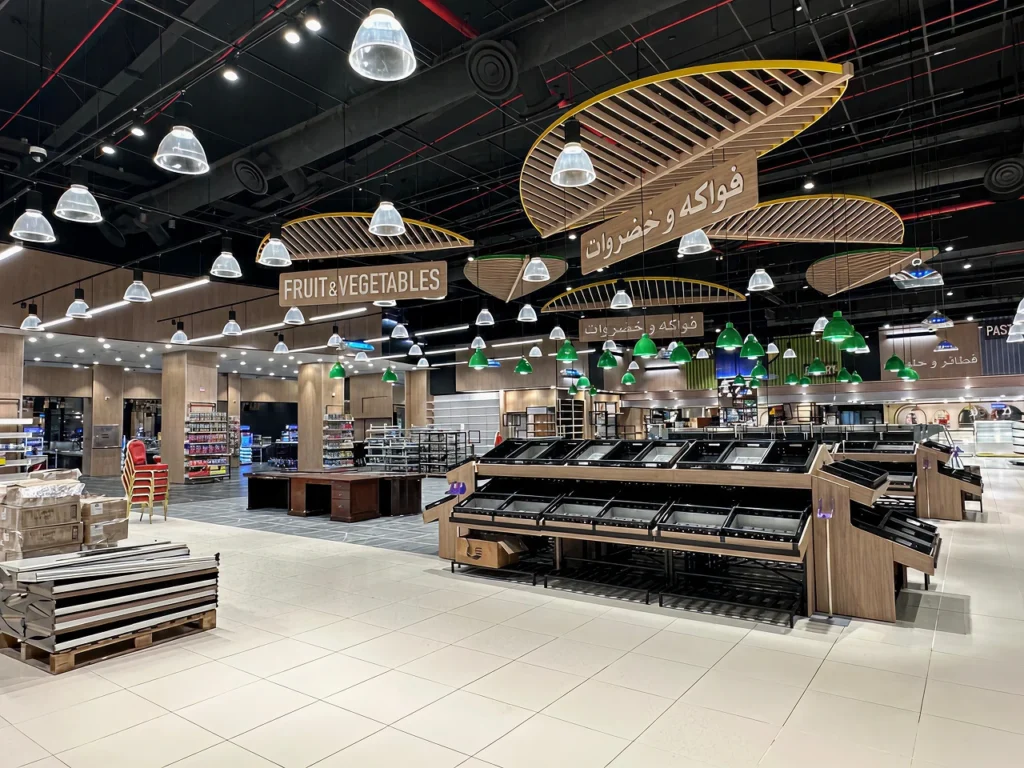
Supermarkets are engineered spaces—every aisle and shelf is designed to influence choices and boost sales. 1. The Power of the Entry Zone 2. The “Decompression Zone” 3. Staples at the Back 4. Right Turn Bias 5. End Caps & Eye-Level Shelving 6. Category Grouping & Flow 7. Checkout Temptations

Blog

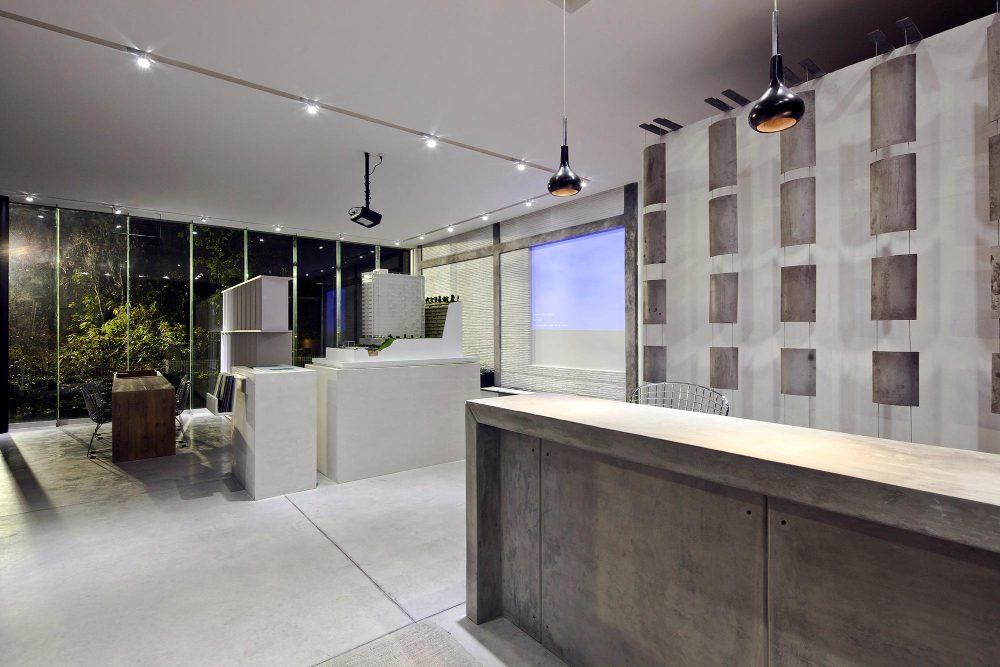
Middle Eastern Design Trends in Modern Retail Spaces

. Cultural Fusion: Tradition Meets Modernity 2. Experiential Environments 3. Sustainability as a Design Pillar 4. Mixed-Use & Lifestyle Integration Design Inspiration for Web & UI Projects If you’re working on digital retail platforms or e-commerce sites, these trends offer rich inspiration: Embrace sustainable UX—fast-loading, energy-efficient design with ethical data use. Use modular grids and geometric overlays to echo Middle Eastern aesthetics. Incorporate immersive storytelling through animations and scroll-triggered interactions.

Blog

Solar Integration in Commercial Spaces: A Smart Investment

1. The Power of the Entry Zone 2. The “Decompression Zone” 3. Staples at the Back 4. Right Turn Bias 5. End Caps & Eye-Level Shelving 6. Category Grouping & Flow 7. Checkout Temptations These capitalize on “decision fatigue” after a long shop. Small, low-cost items near the register (gum, magazines, snacks) target impulse decisions.

Blog

Custom Furniture: Elevating Brand Identity Through Design

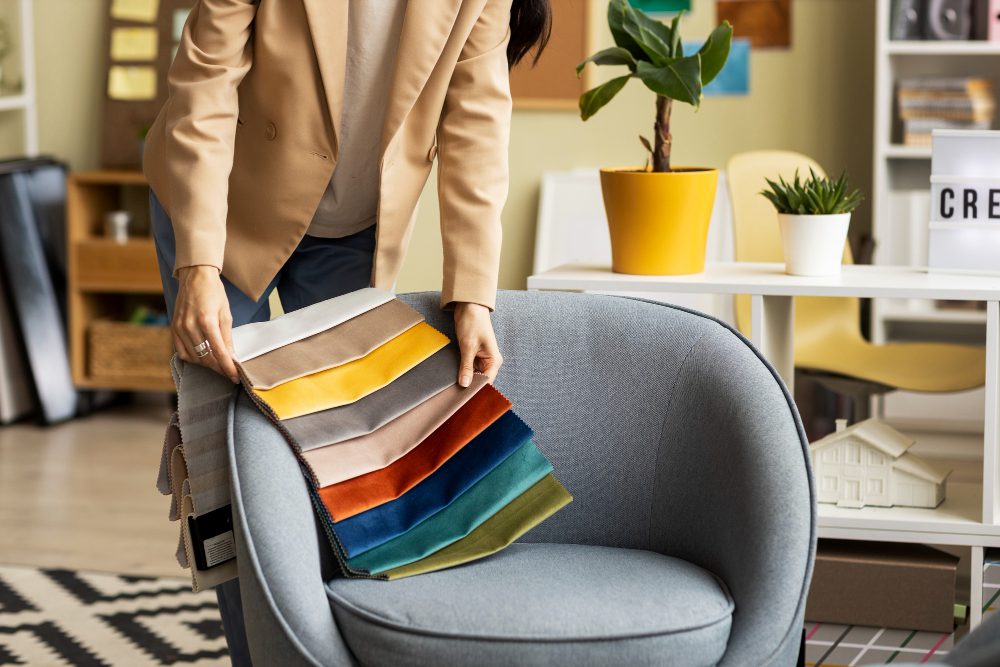
Brand identity today goes beyond visuals—it’s reflected in the textures, shapes, and atmosphere of physical spaces. Custom furniture plays a key role in bringing that identity to life. Design That Speaks Your Brand Custom furniture allows businesses to: Hospitality & Retail: Where It Shines Sustainability Meets Storytelling Modern custom furniture isn’t just beautiful—it’s responsible. Brands are increasingly choosing: Strategic Impact Custom furniture isn’t just decor—it’s strategy. It:

Scroll to Top